Thursday, July 25, 2013

Tooth Brushing Mistakes 101 Explained By New Implant Teeth Specialists

In this article, we discuss the various mistakes people often make when it comes to brushing their teeth. We offer advice about what dental care products to get and what you should do when cleaning your teeth.

Brushing your teeth every day is the most important step in your oral hygiene routine. However there is more to this daily habit than you might think. In this article, with the help of new implant teeth experts in Chicago, we will supply a list of mistakes people often make when it come to their daily oral hygiene routine. People rarely think twice about brushing their teeth and that can lead to a sloppy approach to this important dental care regimen.

1. Tooth Brushing Mistakes: Poor Quality Brushes

Same Day Dental Implants Chicago

There are a few things to consider when buying a toothbrush. Size, quality and comfort go a long way. Spend a little bit more on a toothbrush that is the right size for your mouth, well designed and is of a decent quality. Even the comfort of the grip is important: if you struggle to hold your toothbrush - for example, if it’s wet and keeps slipping - you will feel less inclined to brush for the required amount of time. You also won’t do a proper job on brushing all of your teeth, especially the back molars.

When it comes to deciding between an electric or manual toothbrush, it’s really more of a matter of personal preference. New implant teeth specialists in Chicago recommend choosing a soft to medium bristled brush. Hard brushes can actually speed up the rate of enamel erosion and irritate your gums. The bristles should be strong enough to get rid of plaque, but not damage your gums.

2. Tooth Brushing Mistakes: Not Taking Your Time

You should ideally brush your teeth about three times a day and if possible, about 30 minutes after every meal. Leaving too much time between brushing allows bacterial plaque to accumulate, leaving you at a heightened risk of a number of oral health problems. Experts of Same day dental implants in Chicago recommend that brushing should last about two minutes, and be sure to brush softly but thoroughly, covering all areas of your mouth, including your tongue.

3. Tooth Brushing Mistakes: Too Much of a Good Thing Can Be a Bad Thing

While it is very important to brush your teeth daily, brushing your teeth too often can actually have a negative impact on your teeth. Excessive brushing can lead to gum recession and the exposure of the tooth roots. This can cause tooth sensitivity. Brushing too often and too hard can also lead to erosion of the dental enamel, which plays a vital role in protecting your teeth from bacteria.

4. Tooth Brushing Mistakes: It’s Not What You Do but How You Do It
New Implant Teeth Chicago

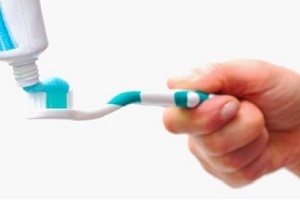
It is recommended that when brushing your teeth you brush in vertical or circular motions, not horizontally as this can lead to abrasions at the gum line. It is also important that you reach the inner and outer surfaces of the teeth, the chewing surfaces and your tongue. Many people forget to brush their tongue, not realizing that this textured surface creates a perfect environment for bacterial growth.

Same Day dental implants specialists also find that many people tend to start brushing at the same part of their mouth over and over, getting bored with rest of the mouth. Be disciplined in reaching all areas of the mouth when brushing. Don’t pay more attention to the front teeth and neglect the molars. Most cases of tooth loss begin with the back teeth as a result of this sloppy brushing habit. People also tend to forget to brush the inner surfaces of the teeth, especially of the lower front teeth.

A Final Few Words

New implant teeth experts in Chicago further explain that a vital part of your oral hygiene routine should include rinsing your toothbrush thoroughly after brushing and allowing it to dry. A continually moist toothbrush can become a breeding ground for bacteria. It is also recommended that you change your toothbrush at least every three months and after being ill to prevent reinfection. For more information about your dental care products and oral hygiene routine, speak to your dentist during your next general check up.

Thursday, July 18, 2013

“Teeth in A Day” Professionals in Chicago Explain Tooth Enamel Erosion

This article takes a closer look at the importance of looking after your tooth enamel, thereby protecting your teeth. We supply a list of signs that your tooth enamel may be eroded and what you can do to prevent this erosion from occurring.

Tooth enamel is the strongest matter in the human body and is found on the outer layer of the teeth, serving a vital role in protecting your teeth. This is why it’s extremely important to do what you can to prevent its erosion. Tooth enamel is the protective wall that keeps your teeth safe from daily wear and tear and the destructive effects of acids and chemicals. Teeth in a day specialists in Chicago explain that enamel covers the dentin (the softer and more porous underlying tooth structure). Destroying this protective layer ultimately leads to the entire tooth becoming vulnerable to decay and causes hypersensitivity to temperatures. If you are experiencing sensitivity and discomfort when exposing your mouth to hot or cold temperatures, your tooth enamel has most likely been eroded.

What Causes Dental Erosion?

Implant Dentistry Chicago

There are a great amount of factors that can contribute to the erosion of tooth enamel. Implant dentistry specialists in Chicago point out that in most cases this erosion can be linked to a diet that is high in acidic content and a lack of proper oral hygiene. Factors causing tooth enamel to erode include:

  • Excessive intake of sugary substances, such as soft drinks or fruit drinks. Bacteria flourish on sugar and the wastes they produce, which are very acidic, can destroy enamel.
  • Eating lots of candies and sour foods: Acid tastes sour, so these foods tend to be acid-rich.
  • Keeping your mouth moist is vital and conditions such as dry mouth tend to put your tooth enamel at risk. Saliva helps to prevent enamel decay by neutralizing acids in the mouth, cleansing your mouth of food debris and combating bacteria.
  • Brushing your teeth too vigorously, grinding your teeth and using your teeth to open bottles or other materials can also lead to tooth enamel being damaged.
  • Behaviors that cause frequent vomiting such as binge drinking or bulimia exposes your teeth to destructive stomach acids.

Tooth Enamel: Signs and Symptoms of Erosion

When your tooth enamel is badly eroded, your teeth become susceptible to cavities and decay, which lead to the following symptoms:

  • Cracked, chipped, rough or irregular edges on the teeth are common signs of tooth enamel attrition.
  • Pain and sensitivity of the teeth when exposed to temperatures (hot and cold).
  • Silky, shiny surfaces on the teeth due to mineral loss.
  • Enamel erosion can also lead to yellowed and stained teeth.

What Can I Do To Protect My Tooth Enamel?

Teeth In A Day Chicago

As with all oral health risks, the best form of prevention is to follow a good, consistent and disciplined oral hygiene routine at home. “Teeth in a Day” experts in Chicago also recommend visiting your dentist regularly for general checkups. Even if you don’t feel like there’s something wrong with your teeth, these visits are crucial for the prevention and early diagnosis of problems that could cause irreversible damage in the long run. A combination of good oral care at home and at your dentist’s office is the key to preventing tooth enamel erosion:

  • Try to cut down on acidic and sugary food and drink. If you do drink and eat foods with high acidity and sugar levels, try doing so at mealtimes (as opposed to snacking) and if possible, brush your teeth afterwards to help remineralize your dental enamel and wash away food debris.
  • Drinking sodas and juices with a straw can help in bypassing the acidic interaction with your teeth.
  • Drinking a glass of milk or eating a piece of cheese after meals can also help protect your enamel as dairy products aid in neutralizing acids.
  • Chewing sugar-free gum promotes saliva production, which, as we mentioned earlier, helps to fight bacteria, cleansing your mouth of food debris.

A Final Note

Protecting your tooth enamel means protecting your teeth and a healthy mouth is a happy mouth. By following the advice provided by implant dentistry specialists in Chicago, you can protect your teeth from the destructive forces of cavities and decay. You must also see your dentist regularly for the preventative care that will keep your standard of oral health high.

Thursday, July 11, 2013

What Chicago Dental Implant Specialists Have To Say About Gum Disease

In this article we take a look at the two forms of gum disease: gingivitis and periodontitis. We offer a list of signs and symptoms that may be present when this condition occurs and what you can do to prevent the development of gum disease.

The leading cause of tooth loss in the United States is gum (periodontal) disease. Millions of Americans suffer from some form of gum disease and if left untreated, you run the risk of developing a great deal of health issues, both oral and general. Chicago dental implant experts explain that the keys to healthy teeth are healthy gums and a sound oral healthcare regime. Your gums protect the base of your teeth, where connective tissue secures them to the supporting jaw bone. In this article, we will look at the two types of gum disease - gingivitis and periodontitis - as well as explain what can be done to prevent or treat gum disease.

Gum Disease: Gingivitis and Periodontitis

All On Four Dentures Chicago

The initial form of gum disease is gingivitis, and this occurs when bacteria develop and collect in pockets at the gum line, causing irritation and inflammation. The most common symptoms related to gingivitis are red and inflamed gums, bleeding when brushing your teeth and persistent bad breath (halitosis). If you leave gingivitis untreated, the inflammation and can invade your connective tissue and even bone, leading to infection and the development of periodontitis; the most severe from of gum disease.

Gum Disease: Symptoms of Periodontitis

Periodontitis is typically quite uncomfortable and causes a host of undesirable symptoms. Leaving this condition untreated will cause you to lose your teeth and puts the rest of your body at risk of other health problems, including heart disease, respiratory disease and stroke. Some of the symptoms of periodontitis include:

  • Receding gums
  • Inflammation and discomfort along the gum line
  • Red, swollen and bleeding gums
  • Tenderness of the gums
  • Persistent and lasting sensitivity to temperatures (hot and cold)
  • Tooth discoloration
  • Painful oral abscesses
  • Persistent bad breath and an unpleasant taste in the mouth

Gum Disease: Prevention

Chicago Dental Implant

It is unfortunate that most people only notice the symptoms of periodontitis when it is too late to totally reverse the damage. This is why All-On-Four dentures specialists in Chicago recommend going for a general dental check-up at least twice a year. Your dentist will give you a thorough oral examination and spot warning signs early enough to treat and indeed reverse any damage that may have already been caused. With the help of the incredible modern technology available today in the form of dental X-rays and CAT scans, your dentist should be able to give your mouth a comprehensive check-up and ensure that your oral health remains in excellent condition.

The Importance of Early Detection

As we mentioned before, catching gum disease in its early stages is vital not only for your oral health but also for your general health. You can do a lot from home to ensure you keep your teeth and gums in excellent condition. A leading cause of gum disease is simply a lack of a good oral hygiene routine and lifestyle choices such as excessive alcohol intake and smoking.

Chicago dental implant specialists urge that you remember to brush, floss, scrape your tongue and rinse daily as this can go a long way in preventing gingivitis and other oral ailments. Go see your dentist at least twice a year and ask him/her about what further measures you can take to prevent from developing gum disease and how to maintain proper oral health.

Thursday, July 4, 2013

Routine Checkups: Guidance From New Teeth Experts in Chicago

In this article we discuss the basics of a routine checkup. This article aims to help readers get a better sense of what they can expect from a visit to the dentist’s chair and what they can do to improve their standard of oral health.

Many people avoid what should be their regular visit to the dentist’s office either because of a relatively common anxiety or simply due to a lack of care. However new teeth experts in Chicago can ensure you that the dentist’s chair does not have to be a scary place that leaves you with terrible anxiety. In fact, experienced and compassionate dentists go out of their way to ensure your level of comfort and ease while they work towards improving your oral health. In this article, we will give you a clearer idea of what you can expect from a routine check-up and why this is a vital part of maintaining oral health.

Routine Checkups: What to Expect

All On 4 Dental Implants Chicago

Ideally you should be visiting your dentist and oral hygienist at least once a year; twice is better. During your routine checkup, your dentist will inspect your teeth and gums for signs of tooth decay, gum disease and other oral health problems. If any of these problems are present, your dentist will recommend the appropriate course of treatment for your specific situation.

Routine checkups also include a professional teeth cleaning. During this procedure, your oral hygienist will clean your teeth using a small metal tool that will scrape away tartar (a hard mineral build-up) from the crowns of your teeth and just beneath the gum line. After this step your oral hygienist will floss, polish and coat your teeth using fluoride.

Routine Checkups: Getting a Closer Look

In order to get a greater sense of the state of your teeth and gums, modern dentistry makes use of incredible technology that enable healthcare professionals to detect problems at beneath the gum line. All-On-Four dental implants specialists in Chicago say that your annual check-up should include X-rays, which allow your dentist to inspect the health of your tooth roots and jawbone. This will help him/her to determine any signs of infection or decay that aren't visible to the naked eye.

Your dentist may also recommend placing protective sealant on the chewing surface on the back teeth in order to prevent them from developing cavities. Sealants help to guard your teeth from food debris and prevent bacteria from getting stuck in the deep grooves and cusps of the teeth, especially the molars.

Routine Checkups: Finishing Touches

New Teeth Chicago

During your routine checkup, your dentist may apply a fluoride solution directly to your teeth in order to keep them strong and cavity-resistant. It is very important that you disclose your medical history and existing conditions with your dentist. Your dentist will be able to determine the safest courses of treatment for your oral health care in combination with your current general health. If you are prone to infections, it may be necessary for you to undergo a course of antibiotics before having any dental work done. Your dentist may also inquire about your diet, in order to determine whether or not you are getting enough of all the right minerals and vitamins.

If your dentist finds that you have active gum disease or tooth decay, he or she will advise you about your oral hygiene routine and what you can do in order to fight the problems. New teeth experts in Chicago advocate the daily discipline of a good oral hygiene routine coupled with regular routine checkups as the best way to maintain an excellent standard of oral health.

Thursday, June 27, 2013

Toothache? According to New Teeth Implant Experts in Chicago, Your Teeth Are Trying to Tell You Something!

In this article we look at toothaches, what it means, what causes it and how can it be treated. We also identify healthy habits that protect your teeth from developing weaknesses and ailments.

For some reason, many people tend to ignore toothache hoping that it will simply go away. Our mouths and bodies have an incredible way of being able to tell us when there is something wrong and that we need to do something about it. By ignoring a problem when it arises, you are simply delaying the inevitable and allowing situations to progress to a far worse state than necessary. A New Teeth Implant Specialist in Chicago tells us that a toothache is almost always a sign that you are in need of dental assistance.

In this article we will be answering a few questions related to toothaches and inform you as to why this is a warning sign for a variety of possible oral inflictions. If you are experiencing a toothache, you may be presenting with any one of the following oral problems: infected gums, fractures or broken teeth, damaged fillings or crowns, severe tooth decay, an abscessed tooth or bruxism (grinding of the teeth). All of these conditions can lead to far more serious damage to your oral health which is why it is important to see your dentist as soon as you feel that ache!

How Do I Identify a Toothache?

All On 4 Dental Implants Chicago

It seems obvious that a toothache will result in a noticeable pain, however, as mentioned above; many people tend to ignore the signs and hope for a miracle recovery. If you are presenting with the following symptoms, you can be certain that professional advice will be needed...

  • Swelling and redness around the tooth
  • Consistent sharp, throbbing pain
  • Pain when applying pressure to your teeth, during chewing for instance
  • Consistent fever or headache
  • Sensitivity to temperature extremes

The two most common causes of a toothache are dental cavities and gum disease. Your course of treatment for a toothache will depend entirely on the source of the pain. Only a trained professional can advise you on the best possible treatment for your specific situation.

What Will My Dentist Do?

Your dentist will examine your mouth in order to determine the root of your oral problems. An All-on-Four dental implants specialist in Chicago says that your dentist will ask you questions during your visit related to your pain, its evolution, how severe it is and where it is located in order to establish its severity and cause. Your dentist will examine not only your mouth, but your throat, sinuses, ears, nose and neck as all of these parts may be affected by your toothache. After a thorough examination your dentist will be able to advise and assist you with the best course of treatment for your case.

How Can I Avoid a Toothache?

New Teeth Implant Chicago - New Teeth Chicago

The best way to protect your teeth is by following a consistent and good oral hygiene routine, aided by regular visits to your local dentist for a general check-up. Remember, maintaining a nutritional and healthy diet will also aid in protecting and strengthening your teeth.

A Final Word

The next time you experience a toothache, don’t wait for the pain to worsen! Your teeth are telling you something. Go to see your dentist before it progresses to an unbearable an unfixable state.

Wednesday, June 19, 2013

All On Four Dentures Specialists in Chicago: Habits to Adopt and Habits to Avoid

In this article we look at plaque, how it is formed and why it is a danger to your oral health. Furthermore we consider the good and bad habits related to fighting plaque.

Most of us are very much aware of the fact that plaque is no friend to your teeth. From the advertisements and the packaging on your toothpaste tube to advice from your dentist: we all know that fighting plaque is an essential part of keeping your pearly whites in good condition. In this article, we will be looking at a few habits you should definitely avoid in order to fight the good fight.

A dentist who specializes in All-on-Four Dentures in Chicago informs us that plaque build-up gradually hardens, forming tartar or calculus on your teeth. Once this has taken place, only a professional cleaning at a dentist can get rid of it. Why is this build-up bad? Quite simply put... it causes gum disease, which leads to tooth-loss among other oral ailments.

All On Four Dentures Chicago

Habits That Helps the Fight against Plaque Build-Up

  • Have you brushed your teeth? Not brushing regularly is a sure way to allow plaque to build up. You need to brush your teeth at least twice a day, every day! Maintaining a good standard of oral hygiene is essential in protecting your teeth from plaque and decay.

  • It’s all about the floss: Your mouth is filled with pockets, nooks and crannies that are hard to reach by brushing alone; flossing gets into those tiny spaces and removes food debris and plaque at the gum line. Plaque below the gum line can lead to serious oral inflictions such as periodontal (gum) disease.

  • Rinse: Antibacterial rinses help reduce plaque and the risk of gingivitis, not to mention leaving your mouth feeling fresh and healthy. Opting for a fluoride rinse has proven to prevent decay and should be a consistent addition to your brushing and flossing daily oral hygiene routine.

  • Visit your local dentist: Dentists are not nearly as scary as the variety of oral ailments you could be harboring by avoiding your next check-up! The proof is in the scientific studies, which show that people who neglect to go for regular check-ups are far more prone to cavities and tooth loss. You should go to your dentist at least twice per year.

  • Nature’s way: Many properties found in natural, healthy fruits and vegetables are nature’s way of helping your body in the fight against plaque. Crunchy fruits and vegetables literally scrub your teeth, while providing essential vitamins and minerals, strengthening and protecting your dental enamel.

Implant Dentist Chicago

  • Restrain your sweet tooth: Bacteria thrive on high-sugar foods and produce acidic wastes, which ruin your teeth. All high-sugar foods and drinks contribute to plaque formation and build-up. Try to lessen your sugar intake as much as possible.

A Final Few Words

An implant dentist in Chicago informs us that keeping your teeth free from plaque is not a difficult task, but consistency in your daily oral habits and diet choices will be the most important step in ensuring that your teeth are healthy and as plaque-free as possible. You can start fighting plaque from home by following the simple advice above, and by visiting your dentist regularly you can ensure that your pearly whites remain healthy, happy and beautiful!

Friday, June 14, 2013

Teeth Implants Specialists in Chicago Talk about Nutrition and Teeth

In this article, we will be exploring the various do’s and don’ts when it comes to diet and oral health. We focus specifically on foods that aid in your oral health as well as foods that are harmful to it.

When it comes to looking after your teeth, a daily oral hygiene routine and regular visits to your dentist for check-ups and professional cleanings are essential, but on top of this the food you eat and oral habits you entertain will go a long way in determining the state of your oral health. In this article we will be considering the relationship between nutrition and oral health, and along the way we’ll be touching on a few dental habits it is best to avoid.

A dentist specializing in the placement of teeth implants in Chicago tells us that one of the worst things for teeth is acid, which is found in many foods and beverages and is also produced by oral bacteria as waste. This is why foods that neutralise acid are a particularly good addition to your diet, as it helps to maintain the health of your pearly whites. We will also be looking at foods that stimulate saliva production and that contain lots of minerals and vitamins, which help to repair tooth enamel.

The Goodies: Foods and Drinks that Benefit your Oral Health

Teeth Implants - New Teeth Chicago

  • Fruits and veggies that are high in fiber: These foods have a cleaning effect as they literally scrub your teeth during eating. More importantly, they help to stimulate saliva, which plays a vitally important role in protecting your mouth. It neutralizes tooth-damaging acids, keeps your mouth full of moisture and contains calcium and phosphates that help rebuild important minerals.

  • H2O: Water, being the primary component of saliva is indispensable to oral health. It will help greatly in maintaining your tooth and gum health. Simply using water as a rinse (fluoridated water = even better), will prevent tooth decay and go a long way to strengthening your tooth enamel.

  • Nuts: Nuts are filled with all sorts of vitamins and minerals that are friends to your teeth. Almonds, peanuts, cashews and walnuts for instance contain calcium, vitamin-D fiber, magnesium and so on. These properties protect both teeth and gums and stimulate saliva, which will in turn help clean your mouth!

  • Dairy: Enjoying dairy without added sugar helps teeth in a variety of ways. Cheeses aid in stimulating saliva, while the calcium helps replace lost minerals in your enamel.

  • Foods high in vitamins A, C and D, as well as calcium and phosphates, are always a good addition to your regular diet as they do wonders for your teeth. This list can include beef, fish, eggs, spinach, potatoes, beans and whole grains.

The Baddies: Foods and Drinks that Harm Your Teeth

Teeth In A Day Chicago

  • Carbonated beverages: Soft-drinks are on top of the list when considering what to avoid; not only when it comes to oral health but general health as well. Most carbonated drinks are packed full of sugar, and the sugar-free drinks contain other tooth-eroding properties such as phosphoric and citric acid.

  • Dried fruits: What? Yes, these little pocket sized, road friendly, often considered ‘healthy’ snacks are in fact really bad for your teeth! Fruits are naturally high in sugar. And when they are dried and these sugars become concentrated, their gummy texture causes them to cling to your teeth and get stuck in pockets that are hard to reach. Dried fruits are also filled with non-soluble cellulose fiber, which ends up trapping sugars between your teeth.

  • Dry-mouth causing habits: This can be related to alcohol intake, smoking, medication side-effects and the list can go on... bottom-line, dry mouth poses a real danger to your teeth and gums. Take cognizance in keeping your mouth hydrated.

Our teeth are vital to us, not only in the function they serve but also in the confidence that comes with having a beautiful smile. Millions of Americans are facing edentulism and are in need of oral reconstruction. Luckily, modern dentistry offers patients the ability to get new teeth in a day in Chicago, but Chicago dentists advise that nothing can rival your own biological tools!