Showing posts with label Implant dentist Chicago. Show all posts

Thursday, July 10, 2014

How much does it cost to get dental implants in Chicago?


Determining the cost of dental implants in Chicago
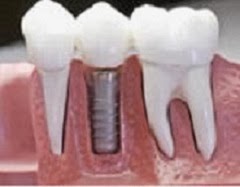
A tooth implant is a titanium cylinder that is inserted into the jawbone to support an artificial tooth. The cost of this advanced and highly effective restorative teeth procedure depends on several factors. If you are planning to get the Dental Implants in Chicago to end your dental woes for ever, find out how much you would need to pay to enjoy permanent, non-removable, and comfortable set of artificial teeth. 

The number of missing teeth that needs to be replaced -The cost of replacing a single missing teeth is usually between $1000 and $3000. For replacing two or more teeth, you may need to incur an expense of $5000 to $25,000. The more the number of teeth that needs to be replaced, the more would be the cost of the dental implants. 

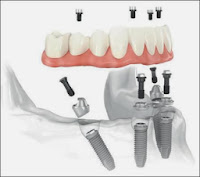
The number of implants that are required- The more the number of implants required to support the artificial teeth, the higher would be the overall cost of the implant procedure. For this reason, all on 4 implants treatment costs less than the traditional implants procedure as it uses only 4 implants to support several artificial teeth. 

The type of implant that one opts for-the cost of mini implants is less than the standard implants. Mini implants are around 2 mm in diameter and are usually used to support very small individual teeth. Sometimes they are combined in a group and are used for supporting a removable denture. These cost between $300 and $900 per fixture.


Standard implants on the other hand are between 3-6 mm in diameter. They can be used to support several teeth and accept a variety of abutments. They cost between $1800 and $2500 per fixture.

The quality and quantity of bone in the jaw- Tooth implants in Chicago need adequate amount of bone for allowing proper fusion of the titanium cylinder and the bone. If there is not enough bone in the area where the implant is needed, one needs to undergo the process of bone grafting. Bone grafting improves the width and height of the bone and allows for successful integration of the implant with the jawbone. However, it does add to the overall cost of the dental implant procedure. 

Are dental implants worth it?
Most people wonder if it is really worth spending so much on the dental implants. But if you are having problems with your poor fitting dentures or you wish to improve your speech, eating, physical appearance, and your confidence and self-esteem, dental implants are definitely worth it. When performed by a qualified and experienced implant dentist in Chicago, implants last for almost 30-40 years, promising significant return on the investment. 

Do some research on dental implants cost and talk to your Implant Dentist Chicago if they have any special payment procedures and discounts. Get a winning smile and enhanced confidence with a dental implant procedure. 


Thursday, November 7, 2013

Removable Dentures are a Thing Of The Past With a Visit to The Implant Dentist in Chicago

This article explains the various aspects pertaining to All-On-Four dental implants, highlighting why it is an extremely beneficial treatment for edentulous patients.


For edentulous or near edentulous patients, it is often thought that traditional removable dentures are their only option when it comes to tooth replacement procedures. Although dental implants sound like a brilliant solution, aren’t there just too many teeth to be replaced for this to be a viable option? Wrong! With innovative and exciting advances in dental technology, dental implants are possibly the best option for replacing a full set of teeth.

With a few visits to your implant dentist in Chicago, all your woes associated with dentures, (such as unnatural looking teeth, sore gums, a limited diet, and loose teeth, etc.) will be a distant memory while you flash your new, beautiful, pearly white grin. 


Does The Dentist Place an Implant for Every Tooth?


Implant Dentist Chicago
No, and this is why dental implants are now a viable option for edentulous and near edentulous patients. “The All-On-Four is a procedure that allows for patients to receive a full set of new teeth with just four implants placed in the mouth,” says the All-On-Four denture specialist in Chicago. 

The implant dentist places four implants into the mouth, to which a custom made denture bridge is permanently fixed. Not only does this eliminate all the hassles associated with traditional dentures, but it also does not typically require any bone grafting procedures, making this a surprisingly quick and minimally invasive process.  

But How Exactly Are They Different to Traditional Dentures?


Beside the fact that they are permanently fixed in your mouth, attaching a bridge to the implants means that a patient’s replacement teeth do not place pressure on the gums or cover the palate with a bulky piece of plastic.

According to an implant dentist in Chicago, traditional removable dentures cause pressure to build up against your gums, often leading to sore and inflamed gums that require you to use anesthetic gels. To add to this, your palate is covered by a piece of plastic, which can make you gag and prevent you from experiencing your food properly.

With All-On-Four dental implants, your palate is no longer covered and there is no pressure on your gums, allowing your mouth to feel completely natural.

Is the Procedure Painful?


All On Four Dentures Chicago The procedure is typically performed with the patient comfortably sedated, allowing them to rest easy while the dentist works his or her magic. During the healing process it is possible for patients to experience small amounts of pain and discomfort, but this can be managed with mild pain medications that will be prescribed to you by your implant dentist in Chicago.

But Isn’t This A lot More Expensive That Removable Dentures?


Initially dental implants do cost more, but in the long run Chicago residents will find that the All-On-Four technique ends up being a lot more cost effective. Removable dentures typically need to be refitted every few years due to atrophy of the jawbone. All-On-Four dental implants are a permanent fixture that, with proper care and good oral hygiene, can last several decades without requiring replacement.

So with that, it is easy to see how dental implants are indeed a better, possibly even the best, solution for edentulous and near edentulous patients.

Tuesday, October 8, 2013

Factors to Consider When Choosing an Implant Dentist

A dental implant is a wonderful investment if you want a permanent solution to your missing teeth problem.


Are you missing several teeth and looking for the best implant dentist to fix your problem?

When it comes to finding an implant dentist, you will certainly not choose an ordinary dentist. It is because the procedure of positioning an artificial tooth needs a high level of knowledge, experience and skill. Do not take lightly your search for the perfect implant dentist in Chicago. Thus, it is vital that you carefully choose your implant dentist along with an oral surgeon. When a dental implant treatment is performed by a well-trained, professional and experienced implant dentist, your new teeth can last a lifetime.

To help you choose the best implant dentist, here are certain important factors to be considered.

All On 4 Dental Implants
Dentist Training: Although all dentists present themselves as an expert in their field, it is wise to first do some research before you actually choose an Implant Dentist in Chicago to restore your natural smile. You do have a right to know from where an implant dentist received his/her education. Additionally, do find out whether the implant dentist has completed a certified dental training program, to ensure you get a dental implant treatment from a qualified dentist.

Experience: Apart from training, you would also need an implant dentist who has rich experience in the dental implant practice. Determine how long the implant dentist has been at this practice and since how long he or she has been performing the implant treatment you are interested in. Try to also learn about the experience of the dental implant team, as their expertise can certainly impact your dental treatment.

Treatment solutions: Determine and make sure that the dental center you choose also offers several other cosmetic dentistry services, so that you can get a perfectly personalized smile makeover. Additionally, you can look for other options that can be suitable for your other family members, friends and associates who might be suffering from different dental problems.

Implant Dentist Chicago
Latest technology: Technology is a vital part of cosmetic dentistry. The latest equipment and innovative techniques have been discovered in the dental world, you would want to hand over your dental case only to a dental center that offers its clients dental treatments that are updated and have been improved through innovations. In addition, make sure your dental implant surgeon uses the latest tools and equipment to perform your treatment.

Client service: When you are going for a smile makeover, it is important to look for a dental center that has a good-natured staff and team of dentists and surgeons so that you remain at ease during the procedure.

Along with considering the above factors, it is vital to note that whether the implant dentist is willing to listen to your dental problems and address your specific needs or not. Choosing a dental implant dentist who understands your particular dental problem and offers the right solution to your individual case is what makes your visit worthwhile.

To get the best of all on 4 dental implants services, find a reputable implant dentist on the Internet and get your smile back.

Thursday, September 12, 2013

Implant Dentist in Chicago: Tips for Keeping Your Teeth in Top Condition, PART 3

This three-part article series provides advice on how to keep your teeth and gums in excellent condition and, in doing so, to keep your teeth!

Welcome to the final installment of our three-part article series on what it takes to keep your teeth and gums in excellent lifelong condition. In Part 1, we spoke to an implant dentist in Chicago about the importance of a thorough home oral hygiene routine and yearly visits to the oral hygienist. In Part 2, we focused on the importance of advanced professional healthcare, which includes regular scheduled appointments with the dentist. Now, in Part 3, we shall look at the role whole-body health and a healthy lifestyle play in keeping your teeth and gums healthy.


3. A Healthy Lifestyle and Good Daily Habits


Implant Dentist Chicago

You can look after your teeth and go for regular appointments with the dentist, but if you don’t eat well and indulge in habits such as smoking and excessive drinking, you’ll still be at a much greater risk of tooth decay and gum disease. According to teeth implants specialists in Chicago, the following habits and any combination of them can lead to an increased risk of tooth loss:

  • Abusing Your Teeth: Using your teeth to tear open packaging, force open containers or for chewing ice and hard candies can all damage your dental enamel. Chips, cracks, fractures and hastened erosion of the biting surfaces of your teeth can be caused by this kind of abuse, so be aware of the potential damage you’re doing when you use your teeth for that which they aren’t intended.

  • Having a Bad Diet: You are what you eat! And if you don’t provide your body with the right nutrition, your health as a whole (oral health included) will suffer as a result. Your diet also directly affects the health of your teeth and gums.

“Too much sugar and starchy food encourages the proliferation of oral bacteria, leading to a greater risk of tooth decay, cavities and gum disease,” says the implant dentist in Chicago. “Limit your intake of ‘junk’ foods and be aware of sugar and acid rich soda, fruit juice and sports energy drinks.”

Teeth implants Chicago - Eating Habits

  • Excessive Alcohol Consumption: Alcohol causes a number of problems for your mouth. First of all, it is an irritant and can cause inflammation and rashes to develop on the gums, tongue and soft palate. Secondly, alcoholic beverages tend to be high in sugar and acid. Bacteria feed on sugar, so the greater its availability, the more bacteria are encouraged to flourish.

Acid softens the dental enamel protecting your teeth, which can cause it to become eroded. Thirdly, alcohol causes a condition known as “dry mouth” and since your saliva plays a fundamental role in protecting your teeth, it can lower your immunity to infection.

  • Tobacco-Use: There’s little question about the damage smoking does to your oral health. “Smoking irritates and inflames the soft tissues in the mouth, stains your teeth and leads to a much greater risk of periodontal (gum) disease and even oral cancer,” warn teeth implants specialists in Chicago. “Smoking can and does kill, but the pain and trauma of the downward spiral can almost be worse than death itself.”

A Final Note

A combination of good oral hygiene, regular professional attention and a good, healthy lifestyle all work together to keep your teeth, gums and therefore smile in beautiful lifelong condition.

And why wouldn’t you want that for yourself?

Wednesday, June 19, 2013

All On Four Dentures Specialists in Chicago: Habits to Adopt and Habits to Avoid

In this article we look at plaque, how it is formed and why it is a danger to your oral health. Furthermore we consider the good and bad habits related to fighting plaque.

Most of us are very much aware of the fact that plaque is no friend to your teeth. From the advertisements and the packaging on your toothpaste tube to advice from your dentist: we all know that fighting plaque is an essential part of keeping your pearly whites in good condition. In this article, we will be looking at a few habits you should definitely avoid in order to fight the good fight.

A dentist who specializes in All-on-Four Dentures in Chicago informs us that plaque build-up gradually hardens, forming tartar or calculus on your teeth. Once this has taken place, only a professional cleaning at a dentist can get rid of it. Why is this build-up bad? Quite simply put... it causes gum disease, which leads to tooth-loss among other oral ailments.

All On Four Dentures Chicago

Habits That Helps the Fight against Plaque Build-Up

  • Have you brushed your teeth? Not brushing regularly is a sure way to allow plaque to build up. You need to brush your teeth at least twice a day, every day! Maintaining a good standard of oral hygiene is essential in protecting your teeth from plaque and decay.

  • It’s all about the floss: Your mouth is filled with pockets, nooks and crannies that are hard to reach by brushing alone; flossing gets into those tiny spaces and removes food debris and plaque at the gum line. Plaque below the gum line can lead to serious oral inflictions such as periodontal (gum) disease.

  • Rinse: Antibacterial rinses help reduce plaque and the risk of gingivitis, not to mention leaving your mouth feeling fresh and healthy. Opting for a fluoride rinse has proven to prevent decay and should be a consistent addition to your brushing and flossing daily oral hygiene routine.

  • Visit your local dentist: Dentists are not nearly as scary as the variety of oral ailments you could be harboring by avoiding your next check-up! The proof is in the scientific studies, which show that people who neglect to go for regular check-ups are far more prone to cavities and tooth loss. You should go to your dentist at least twice per year.

  • Nature’s way: Many properties found in natural, healthy fruits and vegetables are nature’s way of helping your body in the fight against plaque. Crunchy fruits and vegetables literally scrub your teeth, while providing essential vitamins and minerals, strengthening and protecting your dental enamel.

Implant Dentist Chicago

  • Restrain your sweet tooth: Bacteria thrive on high-sugar foods and produce acidic wastes, which ruin your teeth. All high-sugar foods and drinks contribute to plaque formation and build-up. Try to lessen your sugar intake as much as possible.

A Final Few Words

An implant dentist in Chicago informs us that keeping your teeth free from plaque is not a difficult task, but consistency in your daily oral habits and diet choices will be the most important step in ensuring that your teeth are healthy and as plaque-free as possible. You can start fighting plaque from home by following the simple advice above, and by visiting your dentist regularly you can ensure that your pearly whites remain healthy, happy and beautiful!

Wednesday, April 24, 2013

The Implant Dentist in Chicago Talks to Us About: Top 11 Toothbrushing Mistakes, PART 4

This four-part article series takes a closer look at the 11 toothbrushing mistakes people frequently and unwittingly make when caring for their pearly whites.

Welcome to the final installment of this four-part article series on the top 11 toothbrushing mistakes we should all do our very best to avoid. So far, the implant dentist in Chicago has explained the following 9 points:

Mistake # 1: Not using the correct toothbrush.
Mistake # 2: Thinking that an electric toothbrush will do all the work for you.
Mistake # 3: Not brushing correctly.
Mistake # 4: Not choosing the right bristles.
Mistake # 5: Not brushing long enough or often enough.
Mistake # 6: Brushing too hard and/or too often.
Mistake # 7: Using the same starting point every time.
Mistake # 8: Only brushing the front tooth surfaces.
Mistake # 9: Not rinsing your toothbrush afterwards.

Let’s now take a look at the two final tooth brushing mistakes...

Chicago Dental Health: Tooth brushing Mistake # 10

Not Letting Your Toothbrush Dry between Brushes

Implant Dentist Chicago

“Bacteria thrive in moist environments, so if your toothbrush doesn’t air and dry properly in between uses, it’s probably acting as a nesting ground for these micro-organisms,” explains the implant dentist in Chicago.

Here are some recommendations for toothpaste storage:

  • Place your toothbrush upright in a glass so that it’s not lying in a pool of water next to the sink.
  • Avoid using those airtight toothpaste caps, because they prevent moisture from evaporating off the bristles.
  • Store your toothbrush in a closed medicine cabinet so that water vapor from the flushing toilet won’t settle on it.

“Moisture doesn’t only encourage bacterial growth; it can also miss-shape toothbrush bristles, which results in a less than satisfactory cleaning ability.”

Chicago Dental Health: Toothbrushing Mistake # 11

Not Changing Your Toothbrush Frequently Enough

Chicago Implant Dentist

When last did you buy yourself a new toothbrush? According to Chicago dental healthcare experts, you should be replacing your toothbrush every three or four months or as soon as it starts looking frayed. You’re not very well going to keep a diary of when you change your toothbrush so a better rule of thumb is to hit the shops as soon as the bristles lose their usual flexibility and begin to break apart.

“In order to do the best possible job of cleaning your teeth, your toothbrush’s bristles should be straight and emerge at a 90° angle. A frayed toothbrush is ineffectual, so if yours has become so, it’s time to buy a new one!”

A Final Note

Brushing your teeth is a crucial component of the home oral hygiene routine that will keep your teeth in beautiful lifelong condition. While this habit tends to become second nature to us all, you should never just fly on auto-pilot while doing it. The next time you brush your teeth, pay attention to what you do and where you could improve your brushing technique. Take a closer look at your toothbrush - is it time to buy a new one? Could you be storing it better? Do you brush frequently enough? Try timing yourself to see just how long you normally brush your teeth for.

Follow the advice provided in this four-part article series by the Chicago implant dentist and you will surely reap the rewards!

Wednesday, April 3, 2013

Chicago Dental Health News: Top 11 Toothbrushing Mistakes, PART 1

This four-part article series takes a closer look at the 11 toothbrushing mistakes people frequently and unwittingly make when caring for their pearly whites.

Brushing your teeth is a habit that becomes second nature to most if not all of us. You do it everyday, hopefully twice a day, and as a result one tends to pay little attention to the technique and ritual that goes into it. The dangers of becoming sloppy with a habit as important as toothbrushing includes cavities, tooth decay and even tooth loss, which is why it’s important to take a step back and reassess. In this four-part article series, Chicago dental healthcare professionals will be talking to us about the top 11 toothbrushing mistakes patients commonly make.

Chicago Dental

Chicago Dental Health: Toothbrushing Mistake # 1

Not Using the Correct Toothbrush

Just take a walk down the dental healthcare aisle of your local supermarket or pharmacy. The sheer number and variety of toothbrushes is astounding! They seem to come in a spectacular multitude of brands, colors, shapes, sizes and bristle hardness... how do you even go about choosing the best one? We asked Chicago dental healthcare professionals and here’s what they had to say:

“There is no “one-size-fits-all” approach to choosing the right toothbrush. Literally. When choosing a toothbrush, make sure you opt for one that fits comfortable in your mouth and can reach every single tooth without compromise. People with smaller mouths should choose smaller, slimmer toothbrushes and vice versa. You should never find yourself straining your jaws to reach your back-most teeth.

“Other factors to consider are handle grip and comfort. If you struggle to hold and control your toothbrush while brushing, you’re not going to do as thorough a job as you should. Imagine trying to eat peas with a soapy fork... you’re likely to give up halfway through! Your toothbrush should have a good grip so that you can control it while brushing every tooth in your mouth.

“Comfort has a psychological aspect to it as well,” explain Chicago dental health experts. “If brushing is a tricky, slippery exercise, you’ll be less likely to do it for a decent amount of time or frequency.”

Chicago Dental Health: Toothbrushing Mistake # 2

Thinking That an Electric Toothbrush will do all the Work for You

Implant dentist Chicago

Many people believe that electric toothbrushes are better and more thorough in their ability to keep their teeth clean. There is some variation in dentists’ opinion on this matter, but the consensus is that if you brush your teeth well with an electric toothbrush, you’ll do just as well with a manual one.

“It’s not about the toothbrush. It’s about the brusher,” say Chicago dental hygienists. “Some patients mistakenly believe that an electric toothbrush will do all the work for them, so they don’t brush as long as they should and even neglect to do other essential hygienic measures, namely flossing. An electric toothbrush is an alternative to a manual toothbrush. It does not replace flossing. And just because the head rotates and brushes faster than your hand, doesn’t mean that you cut your brushing time down either.”

Stay Tuned for Part 2

To find out more about the common toothbrushing mistakes we make and what the implant dentist in Chicago has to say about them, stay tuned for the second installment of this four-part article series.

Tuesday, March 26, 2013

Chicago Dental Advice: Are You Wrecking Your Teeth? PART 1

This two-part article series explores 10 habits that could be doing irreversible damage to your teeth and could lead to tooth loss in the long-term.

We all know that the cornerstones of keeping your teeth beautiful and healthy teeth for life are good oral hygiene and regular professional attention from your dentist and oral hygienist. But, in addition to these fundamental points, there are several habits and behaviors we should be doing our utmost to avoid. In most cases, people are just unaware of the consequences of something as seemingly innocent as chewing on ice on a hot day. It’s only when we face these consequences do we wish that we knew better, or had tried harder.

In order to find out what innocent habits the average citizen has that may later lead to tooth loss, we spoke to a Chicago implant dentist. In this two-part article series, we present Chicago dental advices given to us. Are you wrecking your teeth? Let’s find out!

Chicago Dental Advice # 1: Stop Chewing Ice

Chicago dental

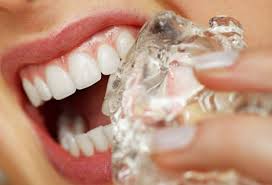
Dental enamel is the hardest substance in the human body, but it wasn’t design to cut through ice! Chewing ice is terrible for your teeth. It can cause chips, cracks, fractures and other flaws on the chewing surfaces of the teeth. In certain circumstances, these imperfections can provide bacteria with an easy route into the pulp chamber of the teeth. If this happens, you could require a root canal or - worst-case scenario - the tooth will have to go!

Chicago Dental Advice # 2: Drink Water. Not Juice, Soda and Energy Drinks.

There are thirsty times when nothing will do the trick quite like an ice-cold Coca-Cola or sports energy drink. What you mustn’t get into the habit of doing is quenching your thirst on a regular basis with beverages that are high in sugar and acid. If you’re thirsty, drink water. Anything else should be viewed as a treat and drank in moderation. Remember, sugar encourages bacterial activity, while acid softens the dental enamel. This combination renders your pearly whites incredibly vulnerable to cavities and decay!

Chicago Dental Advice # 3: Don’t Drink Filtered Water

Implant dentist Chicago

The water you drink is one of the most important sources of Fluoride: a mineral that is essential to good oral health. Tap water is fluoridated and mineral or spring water naturally contains this essential mineral. But filtered water doesn’t contain any fluoride, which denies your teeth the exposure they need to remain strong and healthy. Make the right choice and reap the rewards.

Chicago Dental Advice # 4: Playing Contact Sports Without a Mouth Guard

If you play contact sports, chances are you’re accustomed to receiving a good thumping now and then, whether it’s a head crashing into your stomach or a fist flying into your shoulder. A bruise heals. Cracked, broken and chipped teeth don’t. Make sure you wear a mouth guard if anything you share the field with has the potential to do serious damage to your face and mouth. This is not a lesson you want to learn the hard way!

Chicago Dental Advice # 5: Not Flossing Daily

Brushing cleans the outer surface of the teeth, but what are you doing to get between your pearly whites? A good home oral hygiene routine requires daily brushing AND flossing. If you don’t floss, you are leaving all that bacteria and food debris to just sit there. And if you don’t believe you have anything between your teeth after a meal, then floss and take a look. You’ll be shocked... hopefully into action!

Stay Tuned

To read more valuable advice from implant dentist in Chicago on how to keep your teeth in excellent lifelong condition, stay tuned for the second installment of this two-part article series.

Thursday, March 14, 2013

Missing Teeth? Time to Visit the Implant Dentist in Chicago!

This article discusses the tooth replacement solutions available for people who have lost one or more teeth, with a special focus on dental implants.

Sometimes you just know its best to keep your mouth shut. After all, no one else needs to know your little secret. There's no reason to let anyone know you are missing teeth. There is someone, though, you should and can open up to. That would be the Chicago implant dentist: the dental healthcare professional that will examine your particular case and make recommendations for treatment that will put the smile back on your face.

Implant dentist Chicago

If Something's Missing in Life...

In most cases, the preferred choice of implant dentists in Chicago when it comes to replacing missing teeth is dental implants. These highly qualified and experienced professionals can replace missing teeth when bridges and partial dentures just won't work, or fall short of providing patients with the sophisticated, comprehensive and long-term solutions they desire.

Tooth loss is most commonly the result of periodontal (gum) disease: an advanced oral bacterial infection of the soft tissues surrounding the teeth and the underlying bone. It is especially important for Chicago residents to seek immediate attention from their dentist or periodontist if they are experiencing symptoms of this terrible oral affliction. Once gum disease sets in, bacteria damage the connective tissue and bone in the mouth, sometimes causing both to recede to expose the darker and more vulnerable roots of the teeth. Left untreated, gum disease causes tooth loss.

Signs and Symptoms of Gum Disease
  • Your gums bleed when brushed or flossed,
  • Your gums are sensitive and inflamed (red),
  • Your gums have swollen and encroached upon your teeth, giving you a “gummy” smile,
  • You have chronic bad breath,
  • Your teeth are loose or appear to have moved,
  • Your teeth look discolored and have white deposits on and between them,
  • Your teeth and gum margins have brown mottling on them,
  • Your gums ooze pus when pushed,
  • You have lost one or more teeth to decay.

If any of these symptoms sound familiar, then you may be at risk of tooth loss if you haven’t already lost teeth.

About Dental Implants

Chicago Implant Dentist

Dental implants are artificial teeth made of titanium metal. They are placed into your jaw at the site/s of the missing tooth or teeth. Because titanium is totally biocompatible, the jaw readily accepts the dental implant and the bone cells will actually bond to its surface in a process called ‘osseointegration’. This provides a strong foundation for a restoration, such as a dental crown (in the case of single missing teeth) or a customized fixed prosthesis (in the case of multiple adjacent missing teeth).

Dental implants can be placed in patients of all ages, as long as the jawbone is fully developed and as long as the patient is in good health and doesn’t present with any complicated illnesses that might render surgery dangerous. Dental implants will go a long way to improve self-esteem and restore one’s ability to eat, smile and speak with confidence. They can also last several decades if cared for properly. Additionally, newer technologies have actually lowered the cost of dental implant procedures: making them quicker, more efficient and more affordable.

Monday, February 11, 2013

Comparing Cosmetic Procedures, from Tooth Whitening to Dental Implants in Illinois

This article provides a brief explanation of some cosmetic and reconstructive dentistry procedures, from teeth whitening and veneers to dentures and implants.

It has been proven that there’s a very real connection between oral health and overall wellness. For example, gum disease has been linked with heart disease, diabetes, rheumatoid arthritis and respiratory disease, so it’s important that you include regular, professional dental care as part of your overall healthcare regimen. The good news is, when it comes to the health of your pearly whites, you have many choices in dental procedures, whether you are looking to simply improve their appearance or replace teeth with dental implants in Illinois.

Teeth Whitening vs. Dental Veneers

Dental Implants Illinois

Cosmetic dentistry to improve your overall appearance is vital to your emotional health and sense of wellbeing. Teeth whitening is a cosmetic procedure that can be used to improve the appearance of teeth that have become discolored and stained from years of smoking and/or consuming dark colored foods and beverages. Veneers are another cosmetic option for improving the color of teeth. They were invented in 1982 and consist of thin layers of dental composite that can be directly mounted onto the front surface of your tooth or teeth. Porcelain veneers are fabricated by a dental technician and are then bonded to your teeth in a subsequent appointment with the dentist.

An Interesting Fact about Veneers: In the 1980s, the dental adhesive used to “glue” veneers to teeth only lasted a short time, so veneers were most commonly used by actors, who wanted their teeth to look good during a film shoot. Today, veneers are used not only to improve appearance, but also to repair damaged teeth and fill in missing tooth structure. Porcelain veneers are stronger and more stain-resistant than composite veneers. They also last anywhere from 10 to 30 years.

Removable Dentures vs. Dental Implants

Did you know that President George Washington wore dentures? A denture is a removable set of artificial teeth that rely on their bulkiness to remain stabilized in the mouth. Dentures have been used for hundreds of years, but they come hand-in-hand with a great variety of challenges. Sore gums, a triggered gag reflex, taste impediment, the need for adhesives, poor self-esteem and impaired eating function are just a few of the problems associated with these archaic teeth replacement devices.

Dental implants, on the other hand, are “root” artificial tooth insertions, which are made into the jawbone. The new tooth will actually fuse with the bone in a process termed “osseointegration”. Dental implants are, in the long run, more cost effective and make for a far more sophisticated teeth replacement. They look, function and feel like natural teeth and can last several decades without the need for restoration or replacement.

Implant dentist Chicago

In 1931, archeologists discovered evidence that Mayan civilizations were using crude approximations of dental implants in 600 AD! So, it’s not exactly a new concept. However, it was only after 1950 that dental implants - as we know them today - were innovated. Nowadays, they are the recommended treatment choice of implant dentists in Chicago.

A Final Note on Dental Implants

If you are considering having dental implants placed, remember not to wait around too long. The quicker you replace a missing tooth, the less complicated the surgery will be. Also, if you are a smoker, it’s definitely time to quit. Smoking reduces the healing success of dental implants quite considerably and it’s not worth the risks. Overall, the success rate of dental implants - for non-smokers - is 98%.

The importance of seeking emotional and physical wellness through professional dental care is not an option: it’s a necessity.