Wednesday, December 26, 2012

Advice from Dentists in Chicago on Your Child’s Dental Care

This article provides key advice on the care of your child’s new, developing teeth.

By the age of three, most children have grown 20 teeth, which are then replaced by 28 permanent adult teeth by the age of 12. It’s only around 21 or so that the third molars - your wisdom teeth - emerge. “But just because your child gets a brand new set of teeth, doesn’t mean you don’t need to help them look after their old ones,” say dentists in Chicago. “It is vitally important that their baby milk teeth are properly looked after, or it will affect their dental health for life.”

Chicago Dentistry and Child Dental Care: Infants

Dentists Chicago

Your baby should have his or her first appointment with the Chicago dentist at the age of six months and definitely by their first birthday. The development of your baby’s teeth is a critical time and it should be overseen by a professional to make sure that his or her teeth are erupting properly and without any problems. “Problems that could develop during this time of child dental care include thumb-sucking and gum irritation,” say Chicago dentists. “It may seem innocent enough, but constant sucking can actually change the way the mouth forms, resulting in a mal-occluded bite and badly formed teeth.”

Another typical child dental problem is baby bottle tooth decay. Owing to prolonged exposure to the sugars in fruit juices, formula and even breast milk, some infants can develop bacteria decay of their newly emerged teeth. It is vital that any signs of decay be immediately treated by your dentist to avoid any potential problems with the healthy development of permanent teeth.

Feed your baby during one sitting and do not leave them with a bottle to suck on for prolonged periods of time. If they are crying for their bottle and they have already been fed, give them water instead. You should never put your infant to bed with a bottle of juice or formula. Overnight, their new teeth will be saturated in sugar, encouraging bacteria activity and decay. Dentists in Chicago also encourage parents to wean their children off bottles and onto cups as soon as possible.

Child Dental Care: Pacifiers, Teething and Thumb-Sucking

Chicago dentistry

During teething, your infant’s primary teeth will be emerging and pushing through the gums. This can be quite uncomfortable and even sore for them. Thankfully, there are a number of things you can do: Chicago dentists generally advise that you gently rub their gums with the back of a spoon, your finger or a square of moist gauze. You could even invest in a teething ring, which generally helps relieve some of the discomfort.

Above the age of four, sucking implements, such as pacifiers, teething rings and even thumb-sucking should be greatly discouraged as it can cause problems with the healthy development of your child’s teeth. Overcrowding and crookedness are common problems caused by prolonged sucking.

Chicago Dentistry Emergencies

Dentists Chicago

When it comes to Chicago dentistry, prevention is always better than cure. Try to teach your child how to behave appropriately and safely in the playground environment. Admonish them for putting foreign objects in their mouths or for using their teeth as tools. Try to make your children more aware of their surroundings so that they don’t just walk out in front of a swing or under a see-saw. Simple awareness and “look where you’re going!” could help prevent a lot of child dental care accidents! If your child is ever involved in a dental emergency, rush them to your dentist immediately.


Monday, December 17, 2012

Advice from the Dentist in Chicago IL on Fluoride and Oral Health

This article presents useful information on fluoride and its importance to our oral health. It also addresses some important health concerns over fluoride.

We’ve all grown up with our dentists emphasizing the importance of fluoride to the health and longevity of our pearly whites. You may have gone for periodic fluoride treatments as a child, what happens now that you’re fully grown? Where do you get your fluoride from and are you getting enough?

Advice from the Dentist in Chicago IL: The Problem with Bottled and Filtered Water

Dentist in Chicago IL

You may not have known this, but one of our primary sources of fluoride is the public water drinking system!

“Public water systems provide you with the fluoride you need to keep your teeth strong and healthy. Bottled water, on the other hand, tends to be filtered and contains none of the essential minerals your body needs,” explains the dentist in Chicago IL. “Bottled water has become somewhat of a trend, which is not entirely surprising considering that tap water can taste strongly of the chemicals used to purify it.”

“Even home water treatment systems can remove much of fluoride that is essential for good oral health,” say Chicago dentists.

If you do not like tap water or if your community’s water source is not suitable for drinking, then make sure that you opt for mineral or spring water instead; not filtered and/or bottled water. Chicago dentists recommend that you check the labels of bottled water, which will list the various minerals in them. Make sure fluoride, calcium and magnesium are indicated.

Chicago Dentists: Some Important Notes on Fluoride

Fluoride treatment

  • Fluoride poisoning: Thanks to the ominous warning labels most fluoride toothpastes come with nowadays (required by the FDA), many parents have become unnecessarily frightened for their children’s safety.  “Even if your child accidentally swallows his or her toothpaste or even half a tube of toothpaste, their body cannot absorb enough fluoride to cause any serious health problems,” explain dentists in Chicago. It still is not advisable to swallow toothpaste, but its excellent safety record speaks very much for itself; and against the regulations imposed upon it by the FDA.
  • Fluorosis: “Fluoride is an essential ingredient in strengthening dental enamel and promoting overall oral health. But too much of a good thing can be bad,” warn Chicago dentists. Enamel fluorosis is caused by over-exposure to fluoride during a child’s developmental years. The results of this condition are unsightly white marks on the teeth and defects in the dental enamel. Speak to your dental health care professional about the frequency with which your children should receive fluoride treatments, if at all.
  • My Community’s Water: If you’re interested in finding out whether your community’s water system has been fluoridated, visit the Center for Disease Control and Prevention’s website and click on the “My Water’s Fluoride” page. This resource provides comprehensive information on water systems around the country, including the amount of fluoride in the water.
  • Optimal fluoridation level: “For cooler climates, you’re looking at 1.2 ppm (parts per million) and 0.7 ppm for warmer climates. This is because people tend to drink more water in hot weather,” explains the dentist in Chicago IL.

Friday, December 14, 2012

Chicago Dental Health Watch: About Dental Fillings

This article discusses what fillings are before moving on to explain the different alternatives there are available to traditional silver amalgam.

What are Dental Fillings?

Chicago Dental

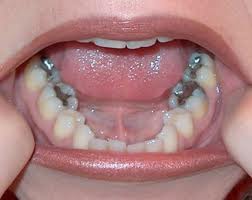
Fillings are restorations used by dentists to repair minor damage and cavities in dental enamel. Once the dentist has ensured that there is no sign of infection or decay – or once all infection and decay has been successfully removed and/or treated – a filling material is applied to the surface of the tooth. This is subsequently cemented in place using the heat generated by a special dentist’s hand-held light.

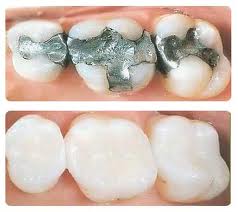
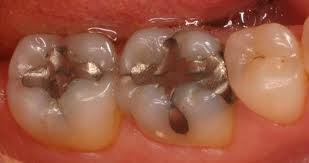
There are many different kinds of filling materials. Traditionally, dentists have always used silver amalgam or gold to repair light damage to the tooth structure, especially on the biting surfaces of the molars and pre-molars. This is because silver amalgam and gold are exceptionally strong and won’t fracture under the intense chewing and grinding stresses that are found there. However, few patients are amenable to the idea of having their visible front teeth covered with silver! Few people, if any, can pull off a metallic smile!

Thankfully, many advances in dentistry in Chicago have seen the development of dental filling materials that are both durable and can convincingly mimic the color and appearance of natural dental enamel.

Alternatives to Silver Amalgam Dental Fillings

Dental fillings

Chicago Dental Info: Composite Fillings are natural tooth-colored fillings composed of a blend of glass-like particles and acrylic resin. They’re durable, resistant to wear-and-tear and require less natural tooth structure to be removed during preparation than amalgam. Composite dental fillings do, however, take longer to place.

Chicago Dental Info: Ionomers are tooth-colored fillings composed of a mixture of fine glass powder and acrylic acids. They are recommended for cavities that occur near the roots of the teeth or between the teeth, where the chewing forces are small. Owing to their construction from glassy materials, ionomers are highly aesthetic, but have a low fracture resistance, which is why they’re only applied to the tooth surfaces that receive little stress.

Chicago Dental Info: Ceramic Fillings: These dental restorations composed of porcelain or ceramic include veneers, crowns, inlays and onlays. This material is most popular for its ability to mimic the optical properties of natural dental enamel. Ceramics are also very strong and durable, but can fracture when subjected to impact or extreme tension.

Dispelling the Myth about Amalgam Dental Fillings

Dentistry in Chicago

Many patients are worried about the health implications of amalgam dental fillings because, amongst a mixture of other metals, they contain a tiny amount of mercury. The inclusion of mercury in the alloy is necessary to make the material pliable.

While mercury is known to be toxic, there is no scientific evidence indicating amalgam fillings to be harmful to patients in any way. This is after much investigation by the Food and Drug Administration (FDA) and other Chicago Dental institutes. Amalgam has been used by dentists for over 100 years to fill flaws and cavities in teeth and after the extensive investigations performed by the FDA, no reason has been found to limit its use. The only exception to this would be patients that are allergic to this restorative material, although cases of this are rare.

Sunday, December 2, 2012

About Chicago Dental Implants: Modern Day Solution to Age Old Problem

This article provides an overview of dental implants: what they are and why they are considered so beneficial to one’s oral health.

Take a look at your teeth in the mirror. Whether it takes much imagination to picture yourself with a missing tooth or not, the fact of the matter is that your smile quality is very much dependent upon you having a full set of teeth! “It just takes one missing tooth to completely alter your appearance,” says the Chicago implant dentist, “making it very distracting for your audience".

Unfortunately, there are a great number of factors that can cause tooth loss, some of which are completely avoidable (poor oral hygiene and smoking) and some of which aren’t (certain chronic illnesses and genetic heritage). Thankfully, modern Chicago dental implant science has a comprehensive answer for patients that are missing one or more of their natural adult teeth; an answer that is as yet unsurpassed in its sophisticated and long term benefits… Chicago dental implants!

What Are They?

Chicago dental implant

“Chicago Dental implants are essentially tiny titanium screws that are placed in the jaw bone at the site/s of the missing tooth or teeth,” explains the Chicago implant dentist. “An abutment or collar is screwed on to the top of the base post, which is used to firmly secure an artificial tooth crown in place". This is the only component of the Chicago dental implant that is visible above the gum line and its careful fabrication from high quality and durable ceramics ensures that it functions and looks just like a natural healthy tooth.

The overall result is a tooth replacement that is virtually indistinguishable from the real thing! Not even your closest friends and family will be able to tell that you’ve lost a natural tooth and had it replaced with a Chicago dental implant!

Chicago Dental Implants: Long Term Benefits

Chicago implant dentist

Choosing Chicago dental implants over traditional tooth replacement technology - such as removable dentures or dental bridges - not only gives patients a new tooth that functions, looks and feels like a natural tooth, but it also lasts decades if cared for properly. “There simply is no other technology designed to replace the entire missing tooth, from the root to the crown,” says the Chicago implant dentist.

The fact that Chicago dental implants replace the fundamental function of the tooth root in keeping the underlying jaw bone healthy is one of the key benefits afforded by this tooth replacement technology. It’s also what enables Chicago dental implants to remain stable and rooted in place for as many as 20, 30 and more years; in most cases, without the need for restoration.

An Important Note from Chicago Implant Dentists: Don’t Wait to Replace Teeth!

If you have lost one or more of your original adult teeth, the key to maintaining a healthy and youthful smile is to seek the attention of a qualified and experienced Chicago implant dentist immediately. Missing teeth pose a great number of risks to your oral health, including destabilization of the dental arch, jaw bone atrophy, further tooth loss and oral bacterial infection. Never wait to have a tooth replaced with a Chicago dental implant. Timely treatment is as important to the longevity of your smile as it is to your oral and general health.

Tuesday, November 27, 2012

Services Offered by Chicago Implant Dentists: Porcelain Veneers

This article provides an overlook of porcelain veneers as a cosmetic and structural restoration for teeth that have sustained light damage, cracking and chipping and/or severe discoloration and staining.

Our teeth are composed of the hardest substance in the human body; enamel. In spite of this and in spite of the fact that enamel is harder even than bone, our teeth are not invulnerable to wear and tear. “With the inexorable marching on of the years, your pearly whites can pick up chips, cracks and other imperfections,” says the Chicago implant dentist and IV sedation provider.

Constant exposure to staining substances in the foods and drinks we consume contribute to the discoloration of our teeth, which, once a lovely pearly-white luster, become a far less attractive shade of yellow, brown or even grey. This gradual deterioration in smile aesthetics can add years and even decades on to one’s appearance. Thankfully, the Chicago implant dentist and IV sedation provider offers a cosmetic treatment that can be used to address smiles that have become uneven, discolored and unaesthetic. The answer? Porcelain veneers, of course!

Chicago Implant dentists

Chicago Implant Dentist Explains: All about Dental Veneers

“Dental veneers are essentially wafer-thin shells of ceramic material that are precisely made to fit over the front of the tooth or teeth requiring restoration,” explains the Chicago implant dentist and IV sedation provider. “While such a thin ceramic structure is extremely brittle on its own, once bonded to the surface of the teeth using a powerful composite resin, they become exceptionally strong and durable.

“This enables patients to eat normally without worrying about damaging their restorations, say Chicago implant dentists. In addition to completely camouflaging the appearance of stains or discoloration, veneers can be custom fabricated to compensate for cracks and chips, or any region of absent mass in the tooth crown. “They can even be used to fill the gaps in between teeth,” says the Chicago implant dentist.

Chicago Implant Dentist and IV Sedation Provider Explains the Benefits of Veneers

IV sedation provider

The most immediate benefit of porcelain veneers is a drastic improvement in one’s quality of smile. Your smile is one of your most important and valuable personal assets. And when someone is uncomfortable with the way their teeth look, it can have quite a devastating effect upon their self-confidence in both a social and professional environment.

“Dental veneers provide patients with a second chance at having a beautiful and confident smile,” says the Chicago implant dentist and IV sedation provider; “or even a first chance if their genetic heritage left them without pearly white and even teeth.” The procedure required for the fitting and placement of porcelain veneers is painless and straight-forward, although it usually requires two appointments before patients can enjoy the benefits of a fully restored smile.

Other benefits include the restoration of flaws and structural weaknesses in the crowns of the teeth, such as cracks and chips. By covering these with the ceramic material, it helps to prevent bacteria from establishing a foothold in hard-to-clean areas. “Dental veneers, in other words, actually help to prevent decay in teeth that have become compromised through some kind of physical trauma,” explains the Chicago implant dentist.

A Final Note from the Chicago Implant Dentist

“If you have long suffered from a low self-esteem associated with a compromised or discolored smile, then porcelain veneers offer a fantastic cosmetic solution,” says the Chicago implant dentist and IV sedation provider. Don’t allow your smile confidence to be affected… atonement for a lifetime of indulgence or poor genetics is possible with porcelain veneers!

Tuesday, November 13, 2012

The All on 4 Implants Dentist on the Importance of Regular Dental Check-Ups

This article explains the importance of receiving regular professional attention and preventative cleanings from a qualified dental health care specialist.

“If it has been more than six months since your last appointment with the dentist, it’s time you cleared your schedule!” say All on 4 implants and sedation dentists. “Regular professional attention is absolutely essential to the maintenance of a smile that is not only healthy… but beautiful too.”

Your smile is one of your most important physical assets. It plays a fundamental role in your social and professional interactions and communications. While we all recognize and admire a beautiful smile, few of us connect the dots between this asset and proper oral health and hygiene. If we truly did, there would be a much lower incidence of cavities, tooth decay and gum disease. So, if it’s been a while since you last said ‘ahhh’ to the All on 4 implants dentist, it’s time to realize the risk you are putting your pearly whites - and beautiful smile - at!

All on 4 Implants: Why the Dentist Needs to See You Twice a Year

All on 4 implants Chicago

“Even the most rigorous home oral hygiene routine cannot remove 100% of the bacteria in the mouth,” say All on 4 implants and sedation dentists. “What makes matters worse is that few patients understand what goes in to a rigorous home oral hygiene routine and the result is that tartar (hardened deposits of plaque) begins to accumulate. Oral bacterial infections both isolated to one tooth and of the entire mouth are also frighteningly common. “Patients can live with and ignore the symptoms of gingivitis or periodontal (gum) disease for many years before tooth loss brings it to the forefront of their attention,” say All on 4 implants and sedation dentists. “By coming for regular check-ups, problems can be identified in their infancy; before they have a chance to do irreparable damage to one’s smile and overall oral health.”

“Whether you know you have a problem or not, treating oral ailments early on increases a patient’s chance of making a full recovery,” stress All on 4 implants and sedation dentists. “It also means that the treatment necessary to clear up the infection is inexpensive and as minimally invasive as possible, which means far less pain and discomfort.”

Remember: preventative care is key to the maintenance of lifelong oral health and smile aesthetics. By coming for regular check-ups and professional cleanings:

  • Oral infections, decay and cavities can be identified by the All on 4 implants and sedation dentist and treated before they pose a serious risk to the tooth and/or the rest of the mouth.
  • All on 4 Chicago dentists can help patients maintain a high standard of oral health, which not only contributes to a beautiful and ageless smile, but fresh breath too.
  • Oral cancers can be diagnosed early on by All on 4 implants and sedation dentists, thus greatly increasing one’s chance of making a full recovery.

Last, but certainly not least, by going for regular visits with your All on 4 implants and sedation dentist, you greatly reduce your risk of developing any of the many potentially fatal illnesses that share a direct link with periodontal (gum) disease. These include inflammatory ailments such as cardiovascular and respiratory disease. “Preterm labor, Alzheimer’s, osteoporosis and rheumatoid arthritis also share an important relationship with chronic and acute oral bacterial infections, or periodontal disease,” stress All on 4 implants and sedation dentists.

All on 4 Chicago

A Final Note from All on 4 Implants Dentists

Regular check-ups with All on 4 implants in Chicago and sedation dentists play a pivotal role in the maintenance of a beautiful and healthy smile. If you would like to keep your natural teeth and not have to replace them before your late adulthood, then book that appointment with a qualified and experienced dentist today!

Monday, November 12, 2012

All on 4 Dental Implants Expert on the Bitter Toll of Sweet Candy on Your Teeth

This article explains exactly why sugar is bad for your teeth by examining the relationship between sugar and oral bacterial activity.

“If there’s one creature that loves sugary candy more than your four year old, it’s oral bacteria,” say All on 4 dental implants specialists. Sugar is pure energy, as you’ve probably noticed by your kid’s nitrous-fuelled behavior the day after Halloween. And this is precisely why bacteria love sugar; it’s pure energy for them. Bacteria don’t have particularly discerning taste-buds like your children do, which could smell a carefully concealed vegetable in their Shepherd’s pie a mile away. But, “bacteria are concerned with only two things: survival and reproduction,” explains a specialist in the placement of All on 4 dental implants in Chicago. “Unfortunately for you and for your children’s teeth, sugar is the gold upon which bacterial civilizations are built!”

All on 4 Dental Implants Specialist: Understanding Oral Bacteria

All on 4 dental implants Chicago

The ominous cautioning against candies, sweets, chocolates, toffee and other delicious things has been something most of us have grown up with. As you used to depart from your dentist’s office, ironically, with a sucker clutched dearly in your sticky fists, he or she would wag a finger at you: don’t eat too much candy now! Sugar is bad for your teeth!

As a child, you put it down to dentists just being kill-joys. Especially around Halloween! But there is much truth to this warning! “Sugar IS bad for your teeth,” stress specialists in All on 4 implants in Chicago. And we should know: it’s our job to replace decayed teeth!”

As the All on 4 dental implants specialist explained, bacteria love sugar. It is a potent source of energy for them and it fuels their growth, reproduction and other micro-biological processes. “The more you eat – the higher in sugar your diet is – the better off the legions of oral bacteria that populate your mouth will be,” says the All on 4 dental implants specialist. “The faster they will reproduce and the more numerous they will be.”

According to specialists in All on 4 dental implants in Chicago, this means two things for you:

  1. You will have to be more rigorous about keeping your teeth and gums clean by flossing every day and brushing more frequently and for longer. A good ADA-approved anti-bacterial mouthwash will also do a world of good.
  2. With greater numbers of bacteria in your mouth – and bacteria are terrible about cleaning up after themselves – you’ll also have greater productions of you-know-what going on in your mouth. Bacteria eat sugar and go potty on your teeth and gums. “The wastes they produce are rich in sulfurous compounds, which is precisely what makes your breath smelly after a long day without brushing,” explains the All on 4 dental implants specialist.

“Bacterial waste is also very acidic,” say specialists in All on 4 dental implants in Chicago. “This acid corrodes away your dental enamel, forming cavities which offer opportunistic bacteria excellent shelter against your best oral hygiene endeavors.”

The result is that cavities, which may take awhile to form, are quick to widen and grow deeper as the bacteria are allowed to proliferate and excrete their acidic sulfurous wastes inside your tooth.

All on 4 Dental Implants in Chicago: The Take Home Message

Dental Implants Chicago

Perhaps the biggest reason people end up needing All on 4 dental implants is because of rampant tooth decay and gum disease. “But even the most horrific oral ailment has humble beginnings; a single cavity or a mild infection of the gums,” says the All on 4 dental implants specialist. “What all of these conditions have in common is that the growth of oral bacteria has been left unchecked, which comes down to a diet high in sugar and other unhealthy foods, poor oral hygiene and other bad habits, such as smoking”

The moral of the story? Let your children enjoy Halloween. But remember to instruct them to put extra elbow grease into brushing and flossing afterwards!